| | Habitat Voices in Action Highlights « Dec. 11, 2025 » In this edition, learn more about the fiscal year 2026 appropriations process and recent actions on bipartisan housing legislation. Additionally, check out a recent advocacy win from San Gabriel Valley Habitat for Humanity and resources to help your advocacy! Several links in this newsletter require you to be logged into your MyHabitat account. If you need assistance accessing your MyHabitat account, please contact the Affiliate Support Center at [email protected] or (877) 434-4435. |
|
|
| Action items and important news |
| | House Financial Services Committee to mark up and vote on housing bill and housing falls out of NDAA The House Financial Services Committee will hold a full committee markup on housing legislation on Dec. 16 and 17 following its Dec. 3 hearing where over 40 bills were “noticed.” This also comes after Chairman French Hill’s (R-AR) rejected efforts to include the Senate passed ROAD to Housing Act (S.2651) in the final version of the National Defense Authorization Act, which is considered a must pass bill. Now is a critical time for Members of Congress to hear from you: they MUST not lose momentum and should act now to pass bipartisan housing legislation to address our nation’s housing crisis. Learn more about next steps and week’s markup. |
|
|
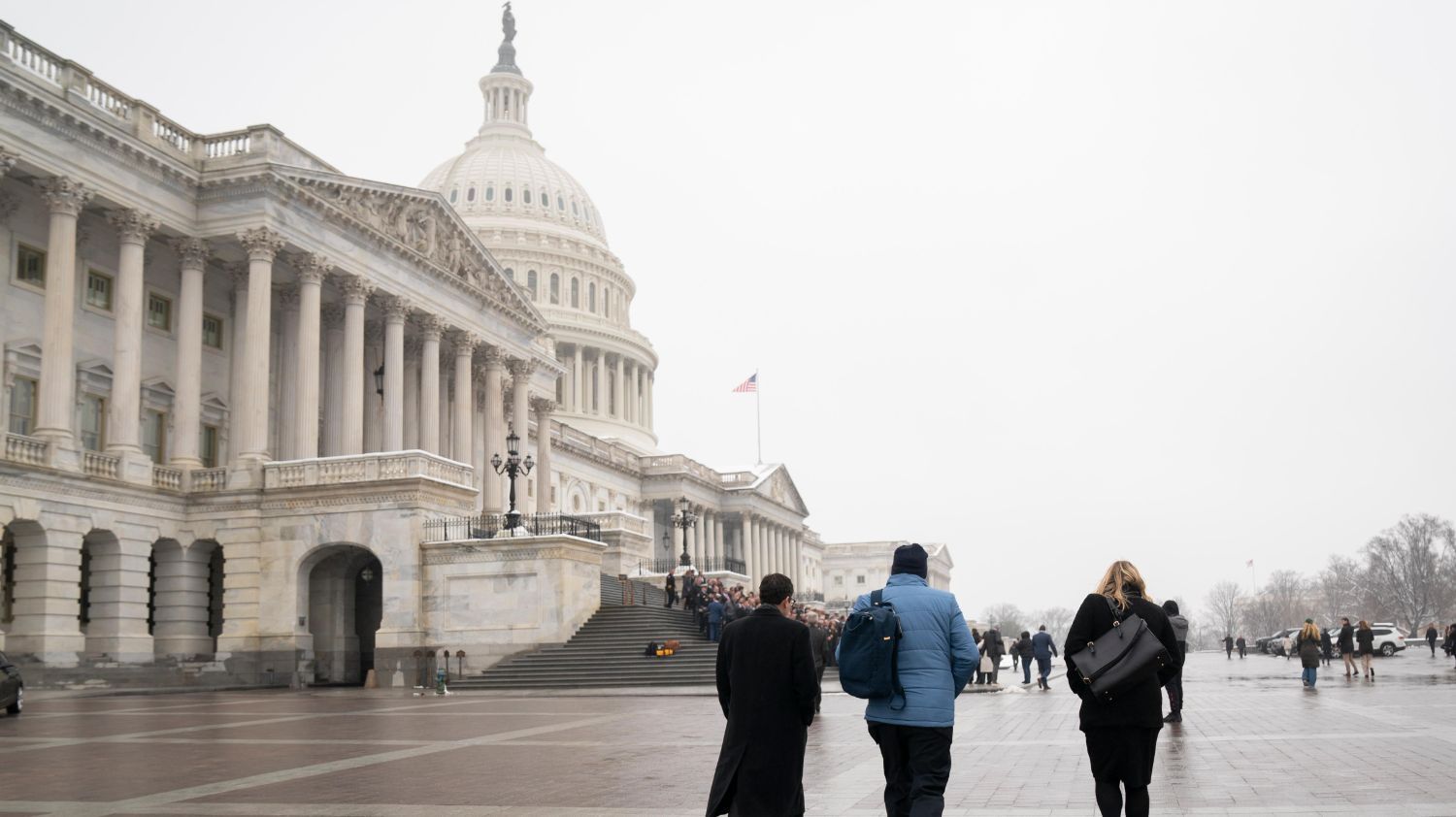
Congress barrels toward end of year with funding work unfinished With just six legislative days left before the holiday recess, Congress is racing to advance spending bills before the Jan. 30 deadline. While appropriations bills have historically moved before the holidays, action is expected to occur at the start of the new year. In the Senate, Majority Leader John Thune (R-SD) is looking to bundle several spending bills for consideration in January, which will likely include THUD, but objections over earmarks continue to stall progress. Even if the Senate advances another package, it must still clear both chambers to prevent a partial lapse in funding. Contact your members of Congress and urge them to finalize the FY2026 appropriations process before the continuing resolution expires and provide strong funding for Habitat’s priority programs in FY2026. |
|
|
|
|
| | | San Gabriel Valley Habitat for Humanity advocates to amend zoning and increase availability of affordable homes The El Sereno/Interstate 710 Corridor, a six-mile stretch of highway, had long ago been targeted for expansion through eastern Los Angeles, Pasadena and South Pasadena. California’s transportation department had purchased — or, in many cases, seized through eminent domain — nearly 500 homes in this corridor, and rezoned the properties to “Public Facility” or “Open Space” zone districts in anticipation of planned expansion to the I-170 highway. The highway expansion was removed from regional transportation plans, creating an opportunity to return these hundreds of parcels to residential zoning, and for housing that is aligned with the neighborhood’s urban fabric. To help realize this opportunity, San Gabriel Valley Habitat for Humanity advocated for the Los Angeles City Council to adopt zoning amendments to reclassify dozens of homes to conforming status and open the door to new multifamily housing. San Gabriel Valley Habitat organized letters in favor of the proposed changes and engaged with the Los Angeles City Council representatives to convey their strong support. They also provided testimony at public hearings. Their efforts were successful, and the amendments were ultimately adopted in May 2025. Additionally, through this work, San Gabriel Valley Habitat acquired vacant homes in the corridor from the state and rehabilitated them for homeownership. |
| Featured resources, research and articles |
| | Fiscal year 2026 Congressional calendar In less than two weeks, Congress will be on recess until early January. Both chambers have shared their tentative schedules for 2026, noting when they will be in Washington, D.C., and when they’ll be working in their districts. While these dates may shift, this calendar can help you plan for meaningful touchpoints with your federal policymakers throughout the year — whether you’re considering a build site visit with your members of Congress, stopping by their local offices or planning a trip to Washington, D.C. |
| | | Updates on executive actions |
| | HUD extends interpretation of “Federal Public Benefit” to several programs On Nov. 26, HUD published a notice interpreting the term “federal public benefit” to include Community Planning & Development programs, such as HOME, CDBG, SHOP and Congressional earmarks. The Personal Responsibility and Work Opportunity Reconciliation Act of 1996 restricts eligibility for federal public benefits to U.S. citizens and “qualified aliens.” This law excepts charitable nonprofits; however, HUD stated that it will issue further guidance for nonprofits to comply. Governmental entities remain subject to the requirements, so it will be important to work with your participating jurisdiction or governmental grantee to understand their verification requirements for all programs administered by them, such as HOME and CDBG. HFHI will be updating our guidance memo on Immigration Status of Applicants shortly on the U.S. Knowledge Center of MyHabitat and will continue to provide updates to the network as we learn more. |
| DOJ rolls back disparate-impact enforcement The Justice Department has finalized a rule eliminating “disparate‑impact” liability under Title VI, meaning it will no longer investigate federal funding recipients’ neutral policies that are claimed to disproportionately harm certain groups on the basis of race, color or national origin. This shift restricts the DOJ to investigating only intentional discrimination by federal funding recipients, aligning with a 2025 executive order and raising the threshold for proving violations. This rule aligns with policy shifts at HUD with respect to its intent not to pursue claims of disparate impact liability, however the Supreme Court’s ruling that such a theory of liability is available for private litigants under the Fair Housing Act remains unchanged at this time. |
| |
|
| Learning opportunity and events |
| | How 501(c)(3)s Can Educate and Advocate During Election Season | Jan. 29 at 2 p.m. With elections taking place next year, now is a great time to refresh yourself on the rules for 501(c)(3) nonprofits and plan for meaningful voter and candidate engagement. Participants will also learn how to conduct robust voter and candidate education campaigns and mobilize the public to get out the vote. This webinar is presented by the Alliance for Justice and costs $60 per participant. Register online. |
| |
|
| | | | Was this a forward? Subscribe to get the Habitat Voices in Action Highlights straight to your inbox. |
| |
|
This email was sent by: Habitat for Humanity International Government Relations & Advocacy 1310 L Street NW, Suite 350
Washington, D.C. 20005 USA
[email protected]
1-800-HABITAT (800-422-4828) |
|
|
|
|
| |
|
|